
Urinary Continence After Prostate Surgery: A Practical Recovery Guide
For many men, the moment the catheter comes out after prostate surgery is the moment a new question begins: when will I have full control of my bladder again? Some leakage of urine in the early weeks is common after radical prostatectomy, whichever robotic system is used, and for most men continence returns gradually over the following months. Knowing why it happens, what the usual course looks like and what you can do yourself makes those months far less worrying.
This guide explains urinary continence after prostate surgery in plain language: the anatomy behind it, the factors that influence recovery, how pelvic floor exercises work, practical day-to-day tips and when further help is needed. It is general information for patients and families and does not replace the advice of your own urologist.
Why Leakage Happens After Prostate Removal
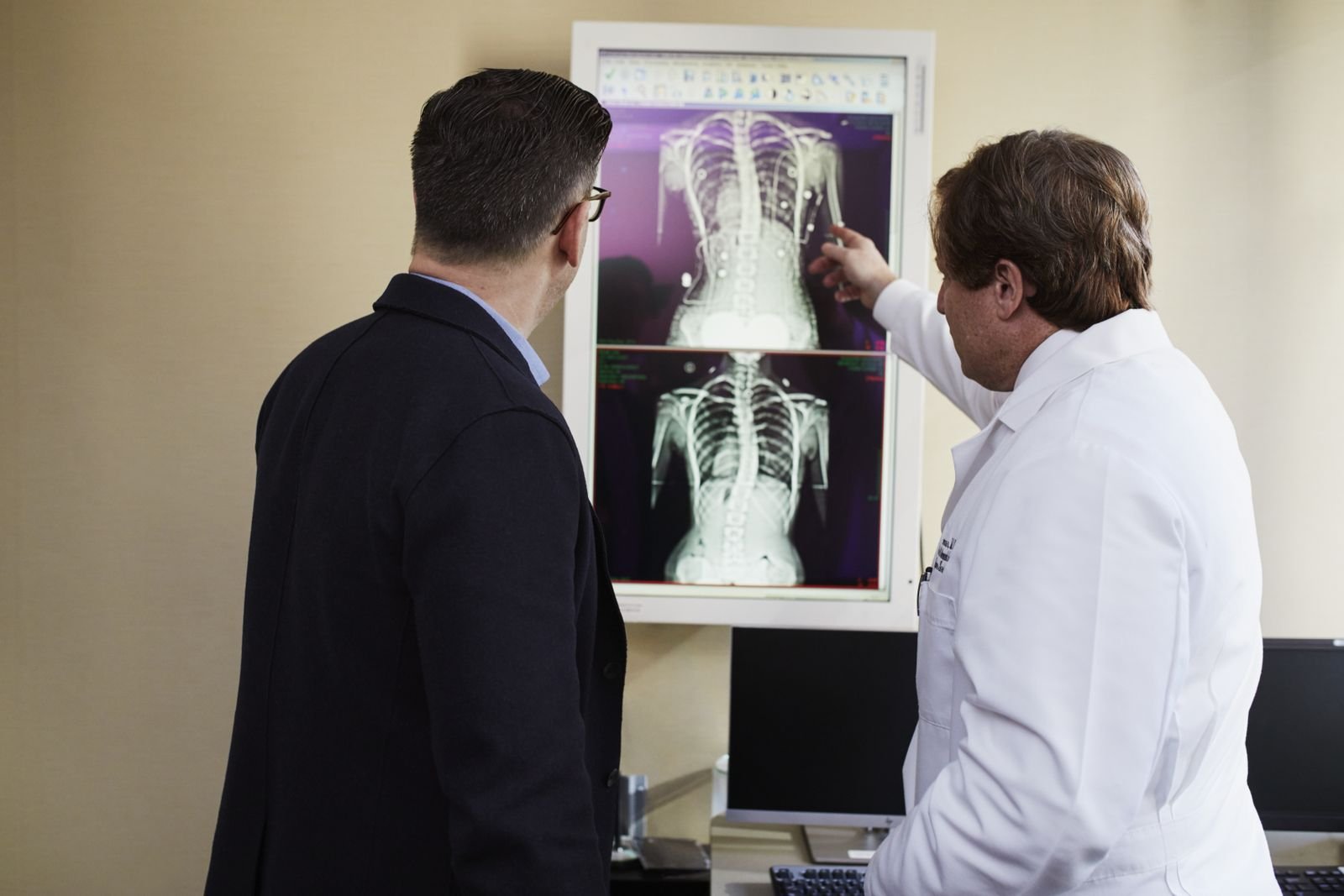
The prostate sits directly below the bladder and wraps around the first part of the urethra, the tube that carries urine out of the body. Together with the bladder neck, it forms part of the mechanism that keeps urine in. When the prostate is removed to treat cancer, the bladder is reconnected to the remaining urethra, and the job of holding urine falls mainly on the external urinary sphincter — a ring of muscle below the prostate — supported by the pelvic floor muscles.
These muscles usually work well, but they need time to adapt to doing more of the work on their own, and the surrounding tissues need time to heal. Until then, many men notice stress leakage: a few drops or a small spurt when they cough, sneeze, laugh, stand up from a chair or lift something. This is different from the urgent need to rush to the toilet, although some men experience a degree of urgency as well while the bladder settles.
What a Typical Continence Recovery Looks Like
Continence recovery is a gradual process rather than a single event, and it varies widely from person to person. A common pattern is:
- While the catheter is in place (usually several days to about a week, depending on the technique): the bladder is drained continuously, so continence cannot yet be judged.
- The first days after catheter removal: leakage is most noticeable, especially when standing, walking and towards the end of the day when the muscles are tired. Many men are drier at night, when lying down, than during the day.
- The first weeks to three months: most men see steady improvement — fewer pads, smaller leaks, more confidence leaving the house.
- Up to a year and sometimes beyond: improvement can continue slowly. Most men regain good continence within this period; a smaller group continue to have bothersome leakage and may benefit from further assessment.
Continence is often measured simply by the number of pads used per day. Many surgeons consider “no pad” or “one safety pad” a good result. Keeping a short diary of pad use helps you and your surgeon see progress that can be hard to notice from day to day. The rest of your recovery — wound healing, return to work and exercise — is described in how long recovery takes after robotic prostate surgery.
Factors That Influence Continence
Why do some men regain continence within days while others take months? Several factors play a part, some of which can be assessed before surgery:
- Bladder control before surgery. Men who had a strong stream and no leakage beforehand tend to recover faster than those who already had urinary symptoms.
- Age and general health. Muscles and tissues recover more quickly in younger, fitter men, although many older men also regain full continence.
- Prostate size and anatomy. The length of the urethra below the prostate and the shape of the bladder neck, which can be seen on MRI, are associated with how quickly continence returns.
- Extent of the operation. When the cancer allows the nerves and supporting tissues around the prostate to be preserved, this can also help urinary control. The decision is explained in nerve-sparing in single port prostatectomy.
- Previous treatments. Earlier radiotherapy or prostate procedures can make recovery slower.
- Body weight, smoking and chronic cough. Extra pressure on the pelvic floor and repeated coughing make leakage more likely.
Does the Surgical Route Affect Continence?
Surgeons have tried many technical refinements to help continence return sooner, such as preserving as much urethral length as possible and reconstructing the supporting tissues. With single port robotic surgery, the transvesical route — reaching the prostate through the bladder — leaves the structures in front of the bladder undisturbed, and early return of continence is one of its most consistently reported features in selected patients.
It is important to keep this in proportion. Long-term continence results are broadly similar between single port and multi-port surgery in experienced hands, as discussed in single port vs multi-port robotic prostatectomy. The route can influence how quickly continence returns; the cancer and your own anatomy decide which route is appropriate.
Pelvic Floor Exercises: The Most Useful Thing You Can Do
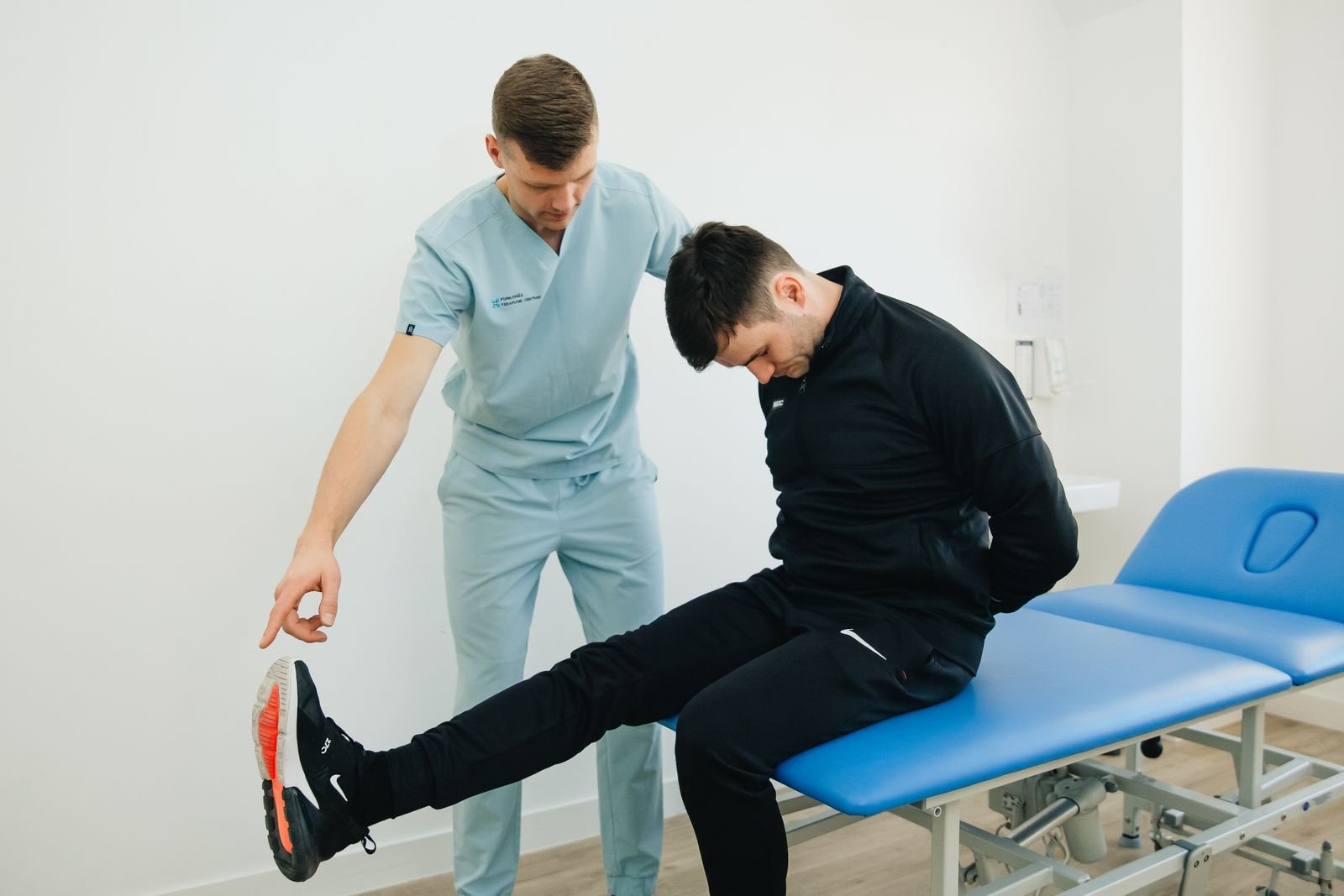
Pelvic floor muscle training — often called Kegel exercises — strengthens the muscles that support the sphincter. It is the first-line, self-managed treatment for leakage after prostatectomy, and many urologists recommend starting it before surgery, so that you already know how to do the exercises correctly when you need them most.
Finding the right muscles
The muscles you want are the ones you would use to hold in wind or to slow the flow of urine. When you tighten them correctly you feel a lift and squeeze around the back passage and the base of the penis; your buttocks, thighs and stomach should stay relaxed, and you should keep breathing normally. Stopping the urine stream can help you identify the muscles once, but it should not be used as a regular exercise.
A simple routine
- Slow squeezes: tighten the muscles, hold for a few seconds, then relax fully for the same time. Build the hold up gradually towards around ten seconds.
- Quick squeezes: tighten firmly for one second and let go, repeated several times — these help with sudden pressure such as a cough.
- Repeat the set a few times a day, lying, sitting and standing. Quality matters more than quantity.
Do not do the exercises while the catheter is still in place unless your team tells you to; begin once it has been removed and your surgeon agrees. A specialist pelvic health physiotherapist can check your technique, and some use biofeedback to show whether the right muscles are working. Improvement usually takes weeks of regular practice, so persistence is part of the treatment.
“The knack”
A useful habit is to tighten your pelvic floor just before an action that raises pressure in the abdomen — coughing, sneezing, standing up or lifting. With practice this becomes automatic and prevents many small leaks.
Everyday Tips That Support Continence

- Drink normally. Cutting back on fluids makes urine more concentrated and can irritate the bladder. Spread your drinks through the day and reduce them a little in the evening if night-time leaks are a problem.
- Limit bladder irritants such as caffeine, alcohol and fizzy drinks, which can increase urgency and frequency.
- Avoid constipation. Straining puts pressure on the healing pelvic floor; a fibre-rich diet and enough fluid help.
- Stay active, gently. Walking is encouraged from early on. Heavy lifting and strenuous exercise usually wait for several weeks, as advised by your surgeon.
- Manage weight and stop smoking where possible, to reduce pressure on the pelvic floor and chronic coughing.
- Choose the right products. Modern pads and protective underwear designed for men are discreet and make the early weeks much easier. Reducing pad size is a good marker of progress.
When to Seek Further Help for Continence
Contact your surgical team promptly if you have pain or burning when passing urine, fever, blood clots, difficulty emptying your bladder, or a sudden worsening after a period of improvement — these can signal an infection or another problem that needs attention.
If leakage is still troublesome despite regular pelvic floor exercises after several months, your urologist can assess it in more detail. Persistent leakage after the first year is uncommon, but it is treatable. Depending on the cause and severity, options discussed by your urologist may include specialist physiotherapy, medication for urgency where appropriate, and, for persistent stress leakage, surgical treatments such as a male sling or an artificial urinary sphincter. Nobody should feel they simply have to live with it.
Frequently Asked Questions
Is leakage after prostate surgery normal?
Yes. Some leakage in the early weeks after catheter removal is common and expected. What matters is the trend: for most men it improves steadily.
Should I start pelvic floor exercises before the operation?
Many urologists recommend it. Learning the correct technique beforehand means you can start properly as soon as your surgeon allows after the catheter is removed.
Will I leak during sex?
Some men notice a small leak of urine at orgasm in the early months. It usually improves over time; emptying the bladder beforehand helps. Sexual recovery is covered in will I lose sexual function after prostate surgery?
Does single port surgery guarantee immediate continence?
No surgical technique can guarantee immediate continence. Some routes may help it return sooner in selected patients, but recovery is still gradual for many men.
Conclusion
Regaining urinary continence after prostate surgery is usually a matter of weeks to months, not days, and it improves with time, patience and regular pelvic floor exercises. Understanding why leakage happens, tracking your progress and knowing when to ask for help turn an anxious period into a manageable one. If you are preparing for surgery or recovering from it, talk to your urologist about your own risk factors and the best plan for you; every patient’s anatomy and cancer are different.
This article is for general information only and does not replace an individual medical consultation. Always consult your own physician about your diagnosis, treatment and recovery.