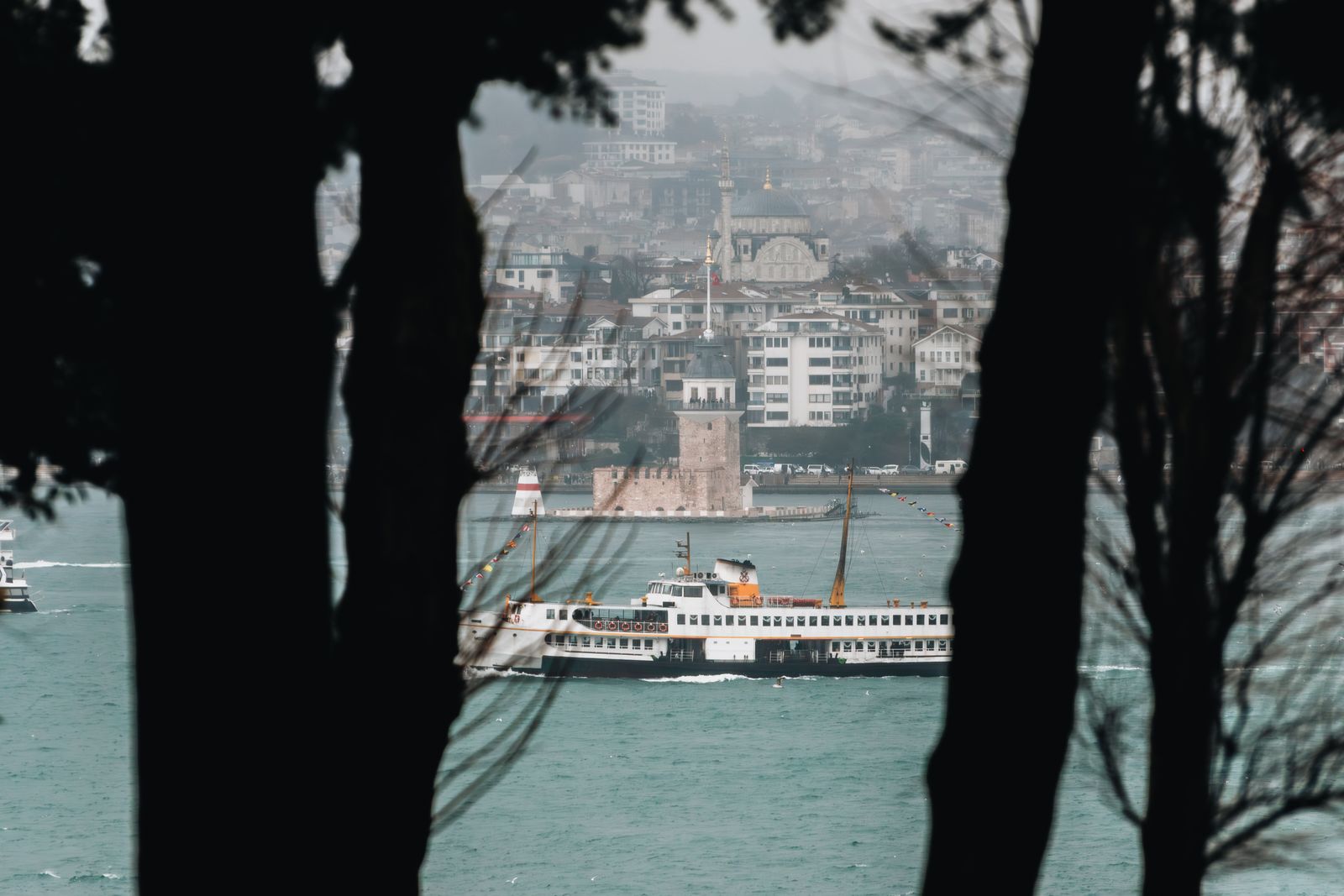
Your Journey to Istanbul for Robotic Urological Surgery
Travelling to Istanbul for robotic prostate or kidney surgery? Every step from sending your scans to follow-up at home, with timings and what to bring.
Step by Step
By Prof. Dr. Murat Binbay · Professor of Urology · Uro-oncology and Robotic Surgery · Istanbul · Reading time about 10 minutes
Deciding to have surgery is hard enough. Deciding to have it in another country adds a second set of questions: What do I send? Who will I speak to? How long will I be away? What happens if something goes wrong? Who looks after me when I am home?
This page answers those questions in the order they arise. It describes the journey as it actually happens for men and women who travel to Istanbul for robotic prostate or kidney surgery under my care — from the first e-mail to the first PSA result at home. Nothing on this page is left to chance, and nothing is left to you alone.
The Journey at a Glance
| Stage | Where you are | What happens | Typical timing |
|---|---|---|---|
| 1. Send your scans | At home | You send your reports and images; we review them | Day 0 |
| 2. Written assessment | At home | You receive a written opinion and plan | Within two business days |
| 3. Video consultation | At home | We meet, discuss the plan, answer every question | Within the following week |
| 4. Planning | At home | Date, travel, documents, pre-arrival checks | 2–6 weeks before surgery |
| 5. Arrival | Istanbul | Transfer, accommodation, first meeting in person | Day −2 or −1 |
| 6. Pre-operative day | Hospital | Tests, anaesthesia assessment, consent | Day −1 |
| 7. Surgery | Hospital | The operation | Day 0 |
| 8. Recovery in hospital | Hospital | Walking, eating, discharge planning | Days 0–2 |
| 9. Recovery in Istanbul | Hotel or apartment | Rest, review, catheter or drain removal | Days 2–7 |
| 10. Cleared to fly | Istanbul | Final review, documents, fit-to-fly letter | Day 7–10 |
| 11. Follow-up at home | At home | Pathology discussion, PSA or imaging schedule, remote reviews | Ongoing |
The timings are typical for single port and multi-port robotic prostatectomy and partial nephrectomy. Your own plan may differ, and it will say so.
Step 1 — Send Your Scans

Everything starts with your records. Send us:
- Your MRI images (the actual images on disc or as a download link, not only the report) and the radiology report
- Your biopsy report and, if available, the pathology slides’ reference number
- Your PSA history with dates
- For kidney patients, your CT or MRI images and any kidney function results
- A short list of previous operations, current medications and major health conditions
- Your age, height and weight
You can send these by e-mail or through our secure upload. Please do not send original documents by post; copies and images are all we need. Your records are handled under Turkish and European data protection rules and are seen only by the clinical team.
Step 2 — Your Written Assessment
Within two business days you receive a written assessment from me. It is not a form letter. It states:
- What your reports show, in plain language
- Whether surgery is the right treatment, or whether another option (active surveillance, focal therapy, radiotherapy) deserves discussion
- If surgery is recommended: which operation, which robotic system, which route, and the degree of nerve-sparing or kidney preservation expected
- Any further tests needed before a final decision (for example a PSMA PET scan or repeat imaging)
- The expected length of your stay in Istanbul
The letter is written so that you can show it to your own urologist or to any other surgeon. A good plan does not fear a second opinion.
Whether single port surgery is likely to suit you can be judged in advance with the single port candidate checklist.
Step 3 — Video Consultation

We then meet by video. You and anyone you wish to include — a spouse, a son or daughter, your own doctor — join from wherever you are. We go through the plan together and answer every question you have, however small. Consultations are held in English and Turkish, and an interpreter can be arranged for other languages. If you prefer, this consultation can take place before the written assessment rather than after it.
There is no obligation at this stage. Some patients decide here; others take the letter home and decide later. Both are right.
Step 4 — Planning Your Trip
Once you decide to proceed, our international patient coordinator takes over the logistics so that you can concentrate on yourself.
Surgery date. We propose dates and agree one with you. Urgent cancers are given priority.
Documents. Most visitors to Turkey need either visa-free entry, an e-Visa obtained online in minutes, or a visa from a Turkish consulate, depending on nationality. The coordinator tells you which applies and provides a hospital invitation letter if your consulate asks for one. Your passport should be valid for at least six months beyond your travel dates.
Pre-arrival checks. We may ask for recent blood tests or a cardiology review from your own doctor so that nothing delays surgery after you arrive. If you take blood thinners, you receive written instructions on when to stop them.
Travel and accommodation. You book your flights; the coordinator advises on arrival dates. For accommodation, the hospital works with hotels and serviced apartments within a short drive and can make the booking for you, or you may choose your own. Most patients bring a companion, and we encourage it.
Administration. The hospital’s international patient office handles all administrative and insurance correspondence before you travel, so that there are no surprises on arrival. If you are insured, they will tell you exactly which documents your insurer needs.
Step 5 — Arrival in Istanbul
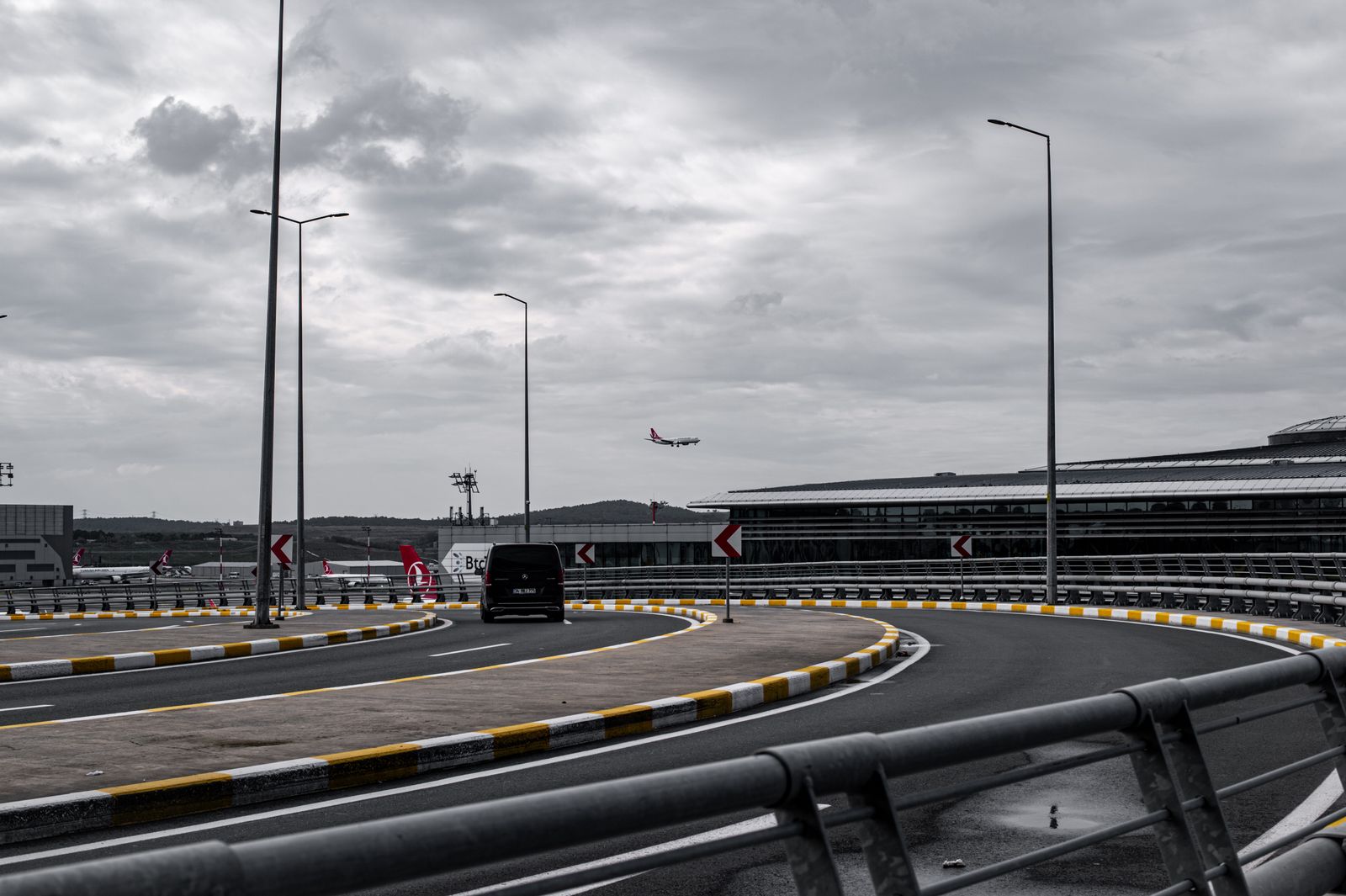
Istanbul has two airports. Istanbul Airport (IST), on the European side, is the main international hub; Sabiha Gökçen (SAW) is on the Asian side. Memorial Şişli Hospital is in the centre of the European side, and a hospital transfer meets you at either airport. Plan to arrive one or two days before surgery — enough to rest after the flight and to complete the pre-operative day without hurry.
On the day of arrival or the next morning you meet me in person at the hospital. We go through the plan once more, examine you, and confirm that nothing has changed since the video consultation.
Step 6 — The Day Before Surgery
This day is spent at the hospital and follows a fixed sequence:
- Blood tests, ECG and chest imaging as required
- Anaesthesia assessment. The anaesthetist reviews your heart, lungs and medications and explains the anaesthetic. For single port surgery performed without a steep head-down position, this is also where we confirm the lying-flat plan for patients with heart or lung conditions.
- Consent. We go through the operation, its benefits and its risks in detail, and you sign the consent form only when every question has been answered.
- Practical briefing. Fasting instructions, what to bring to the ward, when to arrive.
You return to your accommodation to sleep; admission is on the morning of surgery.
Step 7 — Surgery Day
You are admitted early in the morning. The operation itself takes about two to three hours for prostatectomy and partial nephrectomy, and the whole episode from admission to waking in recovery is usually half a day. Your companion is kept informed throughout, and I speak with them personally as soon as the operation is finished.
You wake in the recovery area with a catheter (for prostate surgery) and, for some kidney operations, a small drain. Pain is controlled from the outset; with single port surgery most patients need only simple painkillers. What kidney surgery through a single port involves is described in single-port robotic kidney surgery: what to expect.
Step 8 — Recovery in Hospital
The first evening you sit up, drink, and in most cases walk a short distance. The next morning you eat breakfast and walk more. Early walking is the single most important thing you do for your own recovery, and the nursing team helps you with it.
Most patients go home — to their accommodation — the day after surgery, some the same evening after single port surgery, and some after two nights. You leave the hospital with written instructions, the nursing team’s direct contact details, and a clear plan for the days ahead.
Step 9 — Recovery in Istanbul
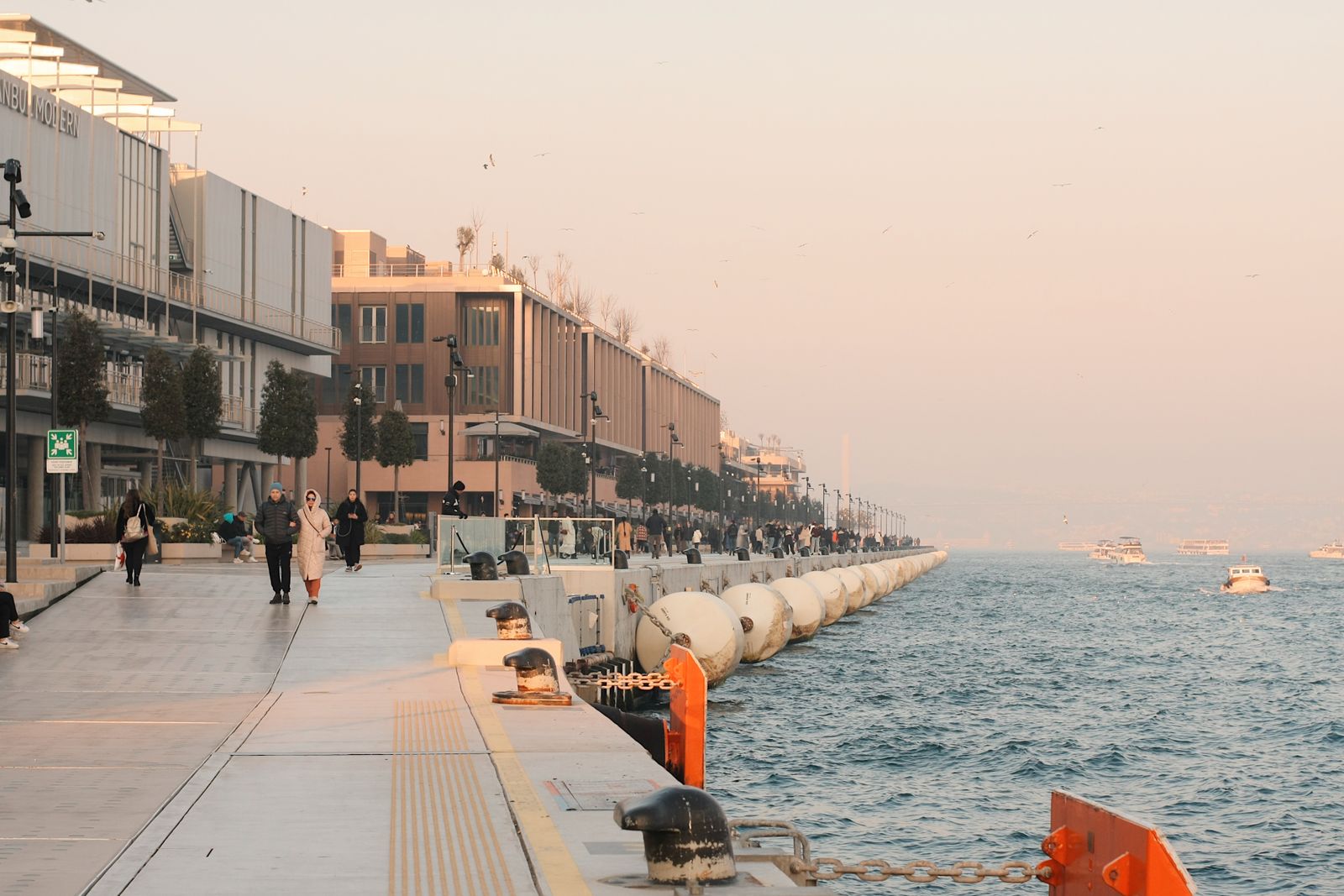
You stay in Istanbul until the catheter or drain is removed and I am satisfied that you are ready to travel. This usually means:
- After prostatectomy: catheter removal after three to seven days, followed by a check that you are passing urine comfortably
- After partial or radical nephrectomy: a check of kidney function and the wound, and removal of any drain
In between, you rest, walk daily, and eat normally. Istanbul is a comfortable city for a convalescent: short walks along the Bosphorus, good food, and a hospital team a phone call away. Your companion is welcome at every review.
The pathology report on the removed tissue is usually ready within five to seven working days. We discuss it together, in person if you are still in Istanbul or by video if you have already flown. The day-by-day detail of this part of the stay is set out in how long you need to stay in Istanbul after prostate surgery.
Step 10 — Cleared to Fly
Before you travel I see you one final time. You receive:
- A fit-to-fly letter for the airline
- A discharge summary in English for your own doctor, with the operation report
- The pathology report, or confirmation of when it will follow
- A follow-up schedule: when to check PSA or imaging, what the thresholds are, and whom to call
- Written advice on wound care, activity, driving and when to resume work
For a flight of more than four hours after pelvic surgery, we advise walking in the cabin, compression stockings and, where indicated, a short course of blood-thinning injections to reduce the risk of clots. Your fit-to-fly letter states what applies to you.
Step 11 — Follow-up at Home
The relationship does not end at the airport.
- PSA or imaging results are sent to us as they are done; you receive a written interpretation of each
- Scheduled video reviews at six weeks, three months, six months and twelve months, then as your plan requires
- Continence and sexual function are followed actively, not left to chance; where rehabilitation helps, we start it early
- Our patient app sends reminders for tests and reviews and gives you a direct line to the team
- Your own urologist at home is kept informed with your permission, so that routine care can be shared
What to expect in the months after the operation is described in how long recovery takes after robotic prostate surgery and urinary continence after prostate surgery.
What to Bring
- Passport and visa or e-Visa confirmation
- All original reports and images, even if already sent
- A list of your medications in their original packaging
- Comfortable, loose clothing and slip-on shoes
- A companion’s contact details and your insurer’s documents
- Travel insurance that covers medical travel
Frequently Asked Questions
How long will I be away from home in total?
For robotic prostatectomy and partial nephrectomy, most patients plan seven to ten days in Istanbul. Your written plan gives your own figure.
Do I need to speak Turkish?
No. The clinical team and the international patient office work in English, and an interpreter is arranged for any language you prefer.
Can my spouse or family stay with me in hospital?
Yes. Rooms are designed for a companion to stay overnight.
What if a complication occurs after I return home?
You will have our direct contact details and a discharge summary that any doctor can act on. Serious complications after robotic surgery are uncommon and almost always declare themselves in the first days, while you are still in Istanbul — which is why we keep you here until the catheter is out and you are well.
What if, after reviewing my scans, you recommend something other than surgery?
Then that is what the letter will say. Some men who write to us are better served by surveillance, focal therapy or radiotherapy, and we tell them so.
Will my records be kept confidential?
Yes. Your records are used only for your care and are protected under Turkish data protection law and, for European patients, the GDPR.
Start the Journey
The first step is an e-mail. Send your reports and images, and within two business days you will know what we recommend, how long you would be away, and what the next step is. Everything after that is organised with you, step by step.
Nothing on this journey is left to chance, and nothing is left to you alone.
Send us your imaging and reports · Tel: +90 530 100 90 85
This article is for general information only and does not replace an individual medical consultation. Treatment decisions are made after a personal assessment with your surgeon.