
Single-Port Robotic Kidney Surgery: What to Expect
Single-port robotic kidney surgery is one of the newer directions in minimally invasive urology. Instead of several separate abdominal incisions, the whole robotic system enters the body through one small opening. For someone who has just been told there is a mass on the kidney, this immediately raises very practical questions: how much of the kidney is removed, how much is preserved, and what does recovery actually look like?
This guide explains how single-port robotic kidney surgery works, why partial nephrectomy has become the preferred option for many small kidney tumours, who may be suitable for a single-port approach, and what to expect before and after the operation. It is written to help patients and families follow the conversation with their surgeon, not to replace it. Every kidney, every tumour and every patient is different, and the final plan must always be made together with your own physician.
What Is Single-Port Robotic Kidney Surgery?
Robotic surgery uses a console-controlled system with instruments that bend and rotate inside the body while the surgeon operates from a nearby workstation, guided by a magnified three-dimensional camera view. In conventional robot-assisted kidney surgery, three or four separate incisions are made in the abdomen or the flank, one for the camera and the others for the instruments.
The single-port system takes a different path. The camera and all working instruments are delivered through one narrow port, which is usually placed through a single incision of only a few centimetres. Once inside, the instruments open up and work independently, so the surgeon still has full articulation even though everything entered through the same channel. The technology behind this shift is described in more detail in our article on the single port system and the future of urologic surgery.
For kidney procedures the practical benefit is not only cosmetic. Because a single access point is used, the surgeon can often reach the kidney through a retroperitoneal route, which is the space behind the abdominal cavity. Working outside the abdominal cavity means the bowel is disturbed less, and for many patients that is one of the reasons the early recovery period feels different.
Partial Nephrectomy: Why Preserving Kidney Tissue Matters
When a kidney tumour is found, there are two broad surgical options. A radical nephrectomy removes the entire kidney. A partial nephrectomy, also called nephron-sparing surgery, removes only the tumour together with a rim of surrounding tissue and leaves the rest of the kidney in place, still connected to its blood supply and still producing urine.
For small, favourably located tumours, partial nephrectomy has become the standard preference in modern urologic oncology. The reasoning is straightforward: a person who keeps functioning kidney tissue keeps more of their long-term renal reserve. That matters most for patients who already have reduced kidney function, diabetes, high blood pressure, a solitary kidney, or tumours in both kidneys, but it is relevant for almost everyone, because kidney function tends to decline gradually with age regardless of surgery.
Partial nephrectomy is technically more demanding than removing the whole organ. The surgeon has to control bleeding, remove the tumour completely, and reconstruct the kidney, often while blood flow to that part of the kidney is temporarily clamped. This is precisely where the precision of a robotic platform is useful, and why nephron-sparing surgery has expanded so much in the robotic era. The wider context of robotic techniques in cancer surgery is covered in our overview of robotic surgery in the treatment of urologic cancers.
How the Single-Port Approach Differs in Kidney Surgery
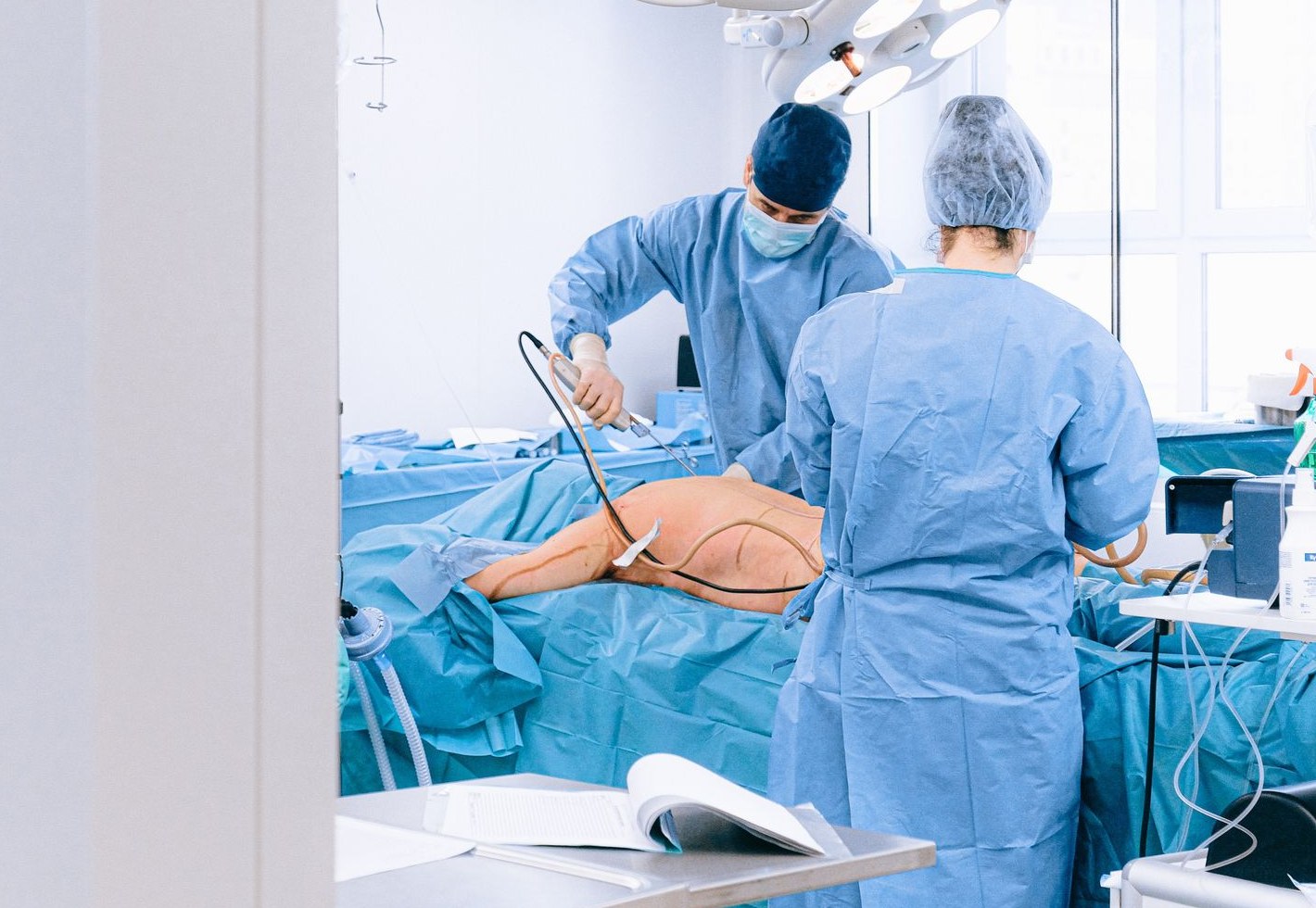
The difference between single-port and multi-port robotic kidney surgery is not simply the number of scars. It changes how the surgeon reaches the kidney and how the body responds afterwards.
With one access point, the retroperitoneal approach becomes more practical. The kidney sits in the retroperitoneum, behind the lining of the abdominal cavity, so approaching it directly from behind or from the flank is anatomically logical. In a multi-port operation, surgeons often go through the abdomen instead, because several ports need enough space between them to avoid instrument collisions. A single narrow port removes that constraint.
The consequences that patients tend to notice are fewer incisions to care for, less abdominal wall trauma, and in many cases less need for strong pain medication in the first days. Patients who have had previous abdominal operations and therefore have scar tissue inside may also benefit, since the retroperitoneal route can bypass those adhesions altogether. A similar comparison for prostate procedures is discussed in our article on single port versus multi-port robotic prostatectomy.
None of this means the single-port technique is automatically superior for every kidney case. It is a tool with a specific profile of strengths, and the surgeon decides case by case whether that profile fits the tumour in front of them.
Who Might Be a Candidate for Single-Port Kidney Surgery?
Suitability is decided by anatomy first and preference second. The factors a urologist weighs usually include the following.
- Tumour size. Smaller renal masses are generally more suitable for nephron-sparing surgery than large ones.
- Tumour location. A tumour sitting on the outer surface of the kidney is more accessible than one buried deep near the collecting system or the main blood vessels.
- Body habitus and prior surgery. Previous operations, adhesions and body shape all influence which route gives safe access.
- Kidney function. Patients with a solitary kidney, chronic kidney disease or bilateral tumours have the strongest reasons to preserve tissue.
- General health. Cardiac and pulmonary status, and the ability to tolerate a period of anaesthesia, are assessed before any approach is chosen.
A tumour that is very large, very central, or involves the renal vein may still be better treated with a different technique, and in some situations removing the whole kidney remains the safer oncological choice. Patient selection criteria for single-port procedures in general are examined further in our article on SP robotic surgery, its clinical advantages and patient selection. If you are told that the single-port approach is not appropriate in your case, that is a judgement about your anatomy, not a lesser standard of care.
Preparing for Kidney Surgery: Evaluation and Planning

Planning begins with imaging. Cross-sectional imaging, usually a contrast-enhanced CT or MRI, shows the size and position of the mass, its relationship to the collecting system and the renal vessels, and whether there is any sign of spread. Surgeons often score the complexity of a renal mass from these images, and that score influences whether nephron-sparing surgery is realistic.
Blood tests assess baseline kidney function, and in some patients a nuclear medicine scan is used to measure how much each kidney contributes separately. If there is any doubt about whether a mass is cancerous, a needle biopsy may be discussed, although many small renal masses are managed on imaging findings alone.
Before the operation you will normally be asked about blood thinners and antiplatelet medication, since these often need to be paused, and about smoking, which affects wound healing and lung recovery. Anaesthetic assessment, control of blood pressure and blood sugar, and simple measures such as walking regularly in the weeks beforehand all contribute to a smoother course. Bring a written list of your medications and allergies to every appointment, and ask directly what the plan is if the surgeon finds that partial removal is not safe once the operation has started.
Recovery After Single-Port Kidney Surgery
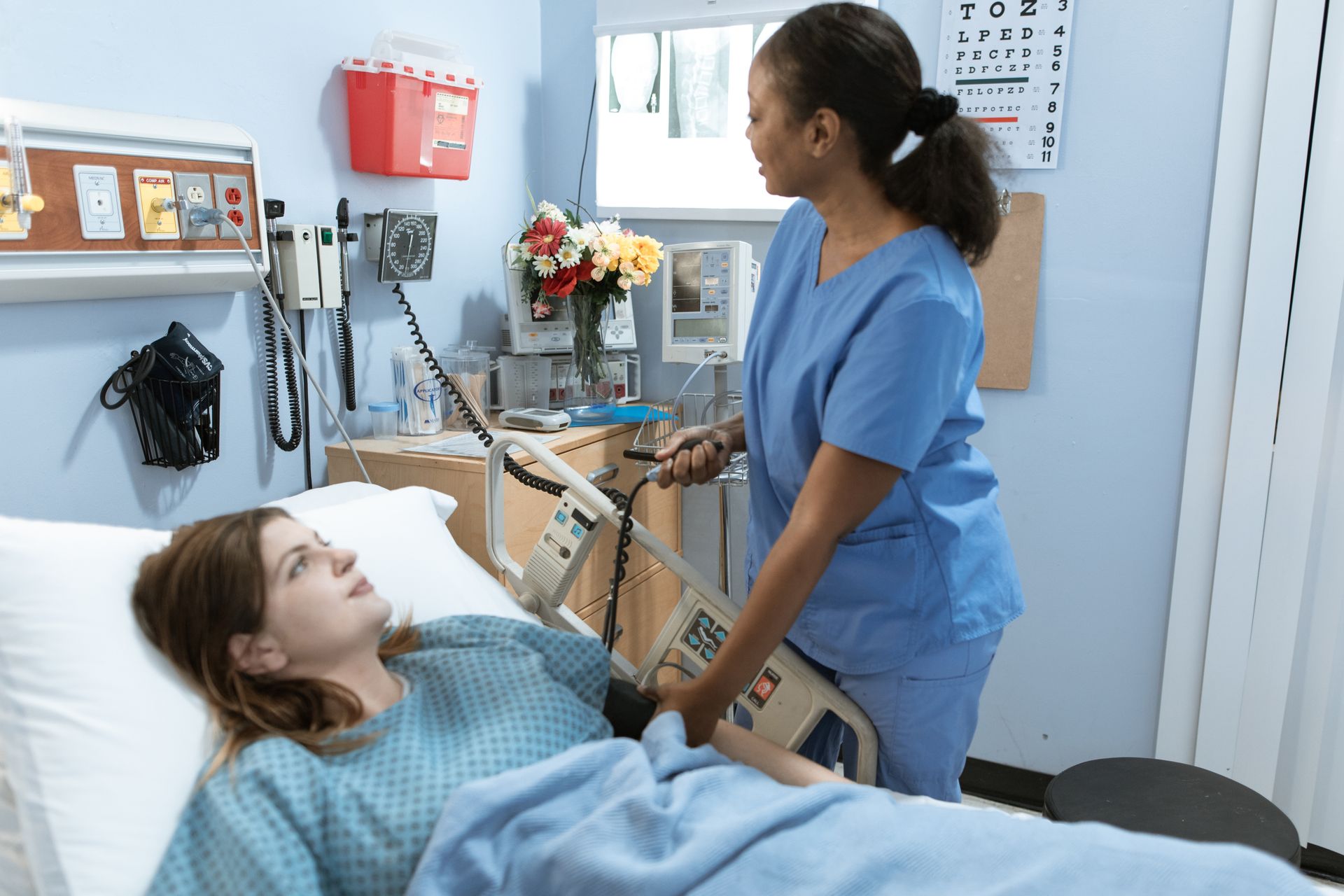
Recovery happens in stages rather than all at once. In the first day, the priorities are pain control, early mobilisation and getting fluids started again. Many patients are encouraged to sit up and walk within hours, because early movement reduces the risk of blood clots and chest complications. A urinary catheter and sometimes a drain are usually in place initially and removed within a few days.
Hospital stay after robotic partial nephrectomy is typically short, often a small number of days, but the exact length depends on the complexity of the operation and how the individual patient responds. Structured recovery protocols shorten this further by standardising fluids, nutrition and mobilisation; the principles are explained in our article on enhanced recovery after surgery in urologic oncology.
After discharge, most people are advised to walk daily, avoid heavy lifting and strenuous abdominal effort for several weeks, and keep the incision clean and dry. Fatigue is common and usually improves gradually. Blood tests are repeated to see how the remaining kidney tissue is functioning, and follow-up imaging is scheduled according to the final pathology result.
Contact your surgical team promptly if you develop fever, increasing pain, redness or discharge from the incision, visible blood in the urine that is getting heavier rather than lighter, or a sudden drop in urine output. These symptoms do not always mean something serious, but they should be assessed rather than waited out.
Risks and Limitations You Should Discuss
Every kidney operation carries risk, and a good consultation covers them plainly. Bleeding is the most discussed risk in partial nephrectomy, because the kidney has a rich blood supply; occasionally bleeding appears days after surgery and needs a radiological or surgical intervention. A urine leak from the collecting system is another recognised complication and may require temporary drainage or a stent.
There is also the possibility that the surgeon must convert to a different approach during the operation, either to a multi-port robotic technique, to laparoscopy, to open surgery, or from partial to complete removal of the kidney. Conversion is not a failure; it is a safety decision made with the information available at that moment.
Some loss of kidney function on the operated side is expected, since tissue is removed and blood flow is temporarily interrupted, although the remaining tissue usually compensates. Finally, the single-port platform is not available in every centre, and experience with it varies, so ask how often the technique is performed where you are being treated. Discuss each of these points with your own physician before consenting to surgery.
Frequently Asked Questions
Will I be left with only one kidney?
Not if a partial nephrectomy is performed successfully. The aim of nephron-sparing surgery is to remove the tumour while leaving the rest of the kidney functioning. Complete removal is reserved for situations where preserving the organ is not safe or not oncologically sound.
How large is the scar after single-port kidney surgery?
There is normally one small incision instead of several. The exact length varies with the size of the specimen that has to be removed and with individual anatomy, so ask your surgeon what to expect in your case.
Is single-port surgery more painful or less painful?
Many patients report needing less pain medication in the early days, which is generally attributed to fewer incisions and, when a retroperitoneal route is used, less disturbance of the abdominal cavity. Pain experience remains individual, and effective pain control is part of the standard plan either way.
How soon can I return to work?
This depends on the physical demands of the job and on how the operation went. Desk-based work is usually resumed sooner than manual work. Your surgeon will give you a personalised timeline, and it is sensible to plan for a period of reduced activity rather than an immediate return.
Does the single-port approach affect cancer control?
The oncological principles do not change with the number of ports: the tumour must be removed completely with an adequate margin. If a surgeon judges that the single-port route compromises that goal in a particular kidney, a different approach is chosen.
Can I have single-port surgery if I have had previous abdominal operations?
Sometimes yes, and in fact the retroperitoneal route may be an advantage because it can avoid scar tissue inside the abdomen. It still depends on the individual imaging findings, so this must be assessed case by case.
Conclusion
Single-port robotic kidney surgery brings together two developments that matter to patients: nephron-sparing surgery, which preserves functioning kidney tissue, and a single access point, which reduces the trauma of getting to the organ in the first place. For suitable small renal masses, the combination can mean fewer incisions, a shorter hospital stay and a return to normal activity that feels less interrupted.
What it does not mean is a single right answer for everyone. Tumour size and position, previous surgery, baseline kidney function and general health all shape the decision, and there are cases where a multi-port robotic technique or complete removal of the kidney remains the better choice. Ask what the imaging shows, why a particular approach is being recommended, and what the plan is if the situation changes during the operation.
If you have been diagnosed with a kidney mass, discuss these options with a urologist experienced in robotic surgery and make the decision together, based on your own imaging and your own health. You can read more about our approach on the about page. This article is for general information only and does not constitute medical advice; always consult your own physician about your diagnosis and treatment.