Extraperitoneal vs Transperitoneal Robotic Prostatectomy: Why the Route Matters
Extraperitoneal or transperitoneal robotic prostatectomy? How each route changes recovery, what the evidence shows and how Prof. Binbay chooses your route.
By Prof. Dr. Murat Binbay · Professor of Urology · Uro-oncology and Robotic Surgery · Istanbul · Reading time about 9 minutes
When men compare surgeons for prostate cancer, they usually compare robots. Fewer ask a question that shapes their recovery just as much: which way will the surgeon travel to reach the prostate? Robotic prostatectomy can be performed through the abdominal cavity — the transperitoneal route — or entirely outside it — the extraperitoneal route. The cancer operation at the end of the journey is the same. The journey is not. This page explains the difference, what the evidence actually shows, and why the right answer depends on you.
A Short Lesson in Anatomy
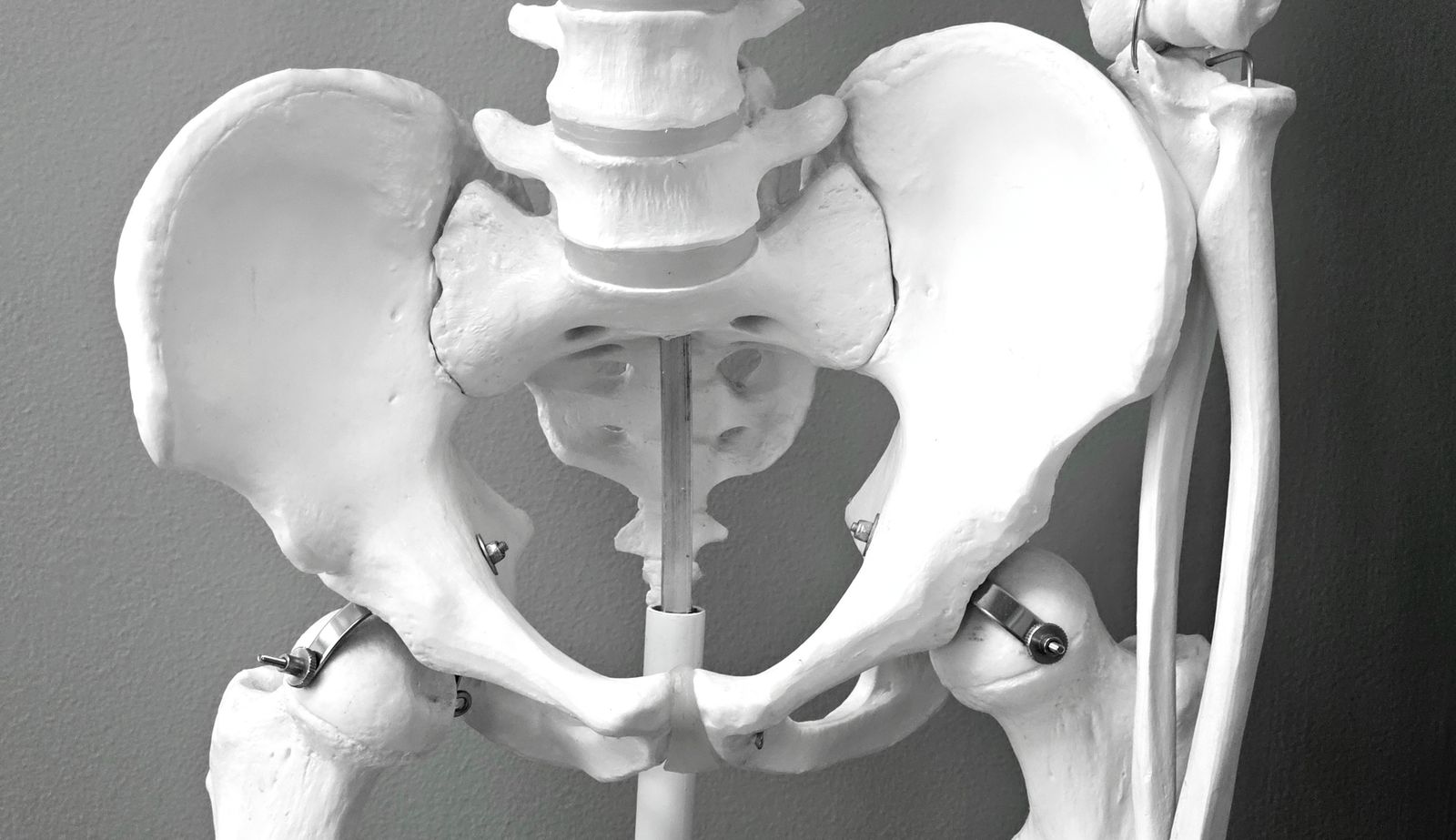
The organs of the abdomen — the bowel, the stomach, the liver — sit inside a thin, smooth lining called the peritoneum. Think of it as a sealed bag. The prostate does not sit inside this bag. It sits below and in front of it, deep in the pelvis, just beneath the bladder.
This gives the surgeon two ways in.
The transperitoneal route goes through the bag. The instruments enter the abdominal cavity, the bowel is gently moved aside, the patient is tilted steeply head-down so that gravity keeps the intestines away, and the surgeon then opens the lining at the bottom of the bag to reach the prostate. This is the route most surgeons around the world use with the multi-port robot, and it is a well-proven operation.
The extraperitoneal route goes around the bag. The surgeon creates a working space directly in front of the bladder, between the abdominal wall and the peritoneum, and reaches the prostate without ever entering the abdominal cavity. The bowel is never seen. The patient lies much flatter. This route is used with both robotic systems, and it is the natural home of single port surgery.
Through the bag, or around it. The destination is the same; the journey decides how you recover.
What Each Route Changes for You
| Transperitoneal (through the abdomen) | Extraperitoneal (around the abdomen) | |
|---|---|---|
| Bowel | Moved aside during surgery | Never touched |
| Patient position | Steep head-down | Nearly flat |
| Previous abdominal surgery | Scar tissue may have to be released first | Usually bypassed altogether |
| Working space | Wide | Compact |
| Extended lymph node removal | Comfortable | Possible, but more confined |
| Fluid after lymph node removal | Absorbed by the abdominal lining | Can collect in the pelvis (lymphocele) |
| Recovery of eating and bowel function | Usually within one to two days | Often the same evening |
| Hospital stay | Typically one to two nights | Often one night or less |
Neither column is the better column. Each one is better for certain men.
What the Evidence Actually Shows
I would rather give you the honest picture than the convenient one.
When researchers have pooled the published studies comparing the two routes for robotic prostatectomy, the cancer result is the same: the rate of cancer left at the edge of the removed prostate does not differ. Beyond that, the findings point in both directions.
- With the multi-port robot, pooled studies found that the extraperitoneal route shortened the operation and the hospital stay, with no clear difference in serious complications.
- With the single port robot, a more recent pooled analysis again found a shorter hospital stay with the extraperitoneal route — but fewer serious complications and somewhat faster recovery of urinary control with the transperitoneal route.
Most of these studies were not randomised, and the patients chosen for each route were not identical. The fair conclusion is not that one route wins. It is that each route has its own strengths, and that the gap between a well-chosen route and a poorly chosen one matters more than the gap between the routes themselves.
That is the point of this page.
A wider plain-language summary of the published studies is given in what the evidence says about single port prostatectomy.
When the Extraperitoneal Route Is the Natural Choice

- You have had previous abdominal operations. Bowel surgery, an appendectomy with complications, multiple laparoscopies: the scar tissue they leave inside the abdomen lies in the path of the transperitoneal route and is avoided entirely by the extraperitoneal one.
- Your heart, lungs or eyes make the head-down position a concern. Heart disease, chronic lung disease, sleep apnoea, glaucoma. The flatter position of the extraperitoneal route removes the main source of anaesthetic strain.
- You carry a high body weight. Keeping the bowel out of the field and avoiding a steep tilt makes the operation gentler.
- Your cancer is confined to the prostate and does not require extended removal of lymph nodes.
- A fast return home matters to you — because of work, or because you are travelling to Istanbul for surgery.
How the route translates into days away from home is explained in how long you need to stay in Istanbul after prostate surgery.
When the Transperitoneal Route Is the Natural Choice
- High-risk cancer that requires extended lymph node removal. The wider space and the abdominal lining’s ability to absorb lymph fluid both favour going through the abdomen.
- A very large prostate, where the compact extraperitoneal space becomes limiting.
- Previous surgery in the very space the extraperitoneal route uses. A hernia repaired with mesh placed behind the abdominal wall, or previous surgery in front of the bladder, can scar that space. In these men the transperitoneal route may be the cleaner path.
- Cancer that may extend beyond the prostate, where the surgeon needs room to take a wider margin.
There Are More Than Two Routes
Robotic surgery has also produced routes that refine these two. In the Retzius-sparing approach, the surgeon goes through the abdomen but reaches the prostate from behind, leaving the structures in front of the bladder undisturbed; its main appeal is early return of urinary control. In the transvesical approach, available with the single port robot, the prostate is removed from inside the bladder itself. Each has its own indications, and each is described in its own article on this site — see transvesical single port prostatectomy: who is it for?
The broader the range of routes a surgeon can offer, the less often a patient has to be fitted to the one route a surgeon knows.
How I Choose Your Route

The route is not decided by preference or by the robot that happens to be free. It follows a fixed order, and you receive it in writing.
- The cancer. Stage, grade, PSA, MRI and biopsy map decide whether lymph nodes must be removed and how widely, and how much margin the prostate needs. If the cancer needs the transperitoneal route, that settles it.
- Your anatomy. Previous operations and where they were, prostate size, body weight. If the cancer allows either route, these factors usually decide.
- Your health. Heart, lungs, eyes and anaesthetic risk.
- Your priorities. Speed of recovery, travel, the scar. These never override the first three, but between two equally safe options they matter.
The written plan names the route, the robotic system, the degree of nerve-sparing expected on each side, and the reasons for each choice. In our practice both routes and both robotic systems are available, so the plan is written around you rather than around the equipment. Why that matters is explained in why a surgeon who uses both multi-port and single port systems matters.
Frequently Asked Questions
Is the extraperitoneal route less safe because it is less common?
No. It is a long-established route, used for many years in both laparoscopic and robotic surgery. It is less common mainly because many surgeons were trained on the transperitoneal route with the multi-port robot.
Will the route affect my chances of being cured?
Not when it is chosen correctly. Published studies show the same cancer margin rates with both routes. The route is chosen so that the cancer operation is never compromised.
Does the route affect erectile function?
Nerve-sparing is performed in the same way through either route. Whether the nerves can be spared depends on the cancer, not on the route. The factors behind that decision are described in nerve-sparing in single port prostatectomy.
What is a lymphocele, and should I worry about it?
It is a collection of lymph fluid that can form after lymph nodes are removed. It is more likely with the extraperitoneal route, because the abdominal lining is not there to absorb the fluid. Most are small and harmless; a few need drainage. When extensive lymph node removal is planned, this is one reason we favour the transperitoneal route.
I had a hernia repair with mesh. Which route is right for me?
It depends on where the mesh was placed. Send us your operation notes along with your scans; this is exactly the kind of detail that decides the route.
Can I choose the route myself?
You can tell us what matters to you, and it will shape the decision. But the route must first be safe for your cancer and your anatomy. If your preference and your safety point in different directions, we will tell you why.
Find Out Which Route Is Right for You
The route to your prostate is decided from your MRI, your biopsy map and your medical history — details we can review before you travel. Send your scans and reports, and you will receive a written assessment within two business days stating which route and which robotic system we recommend for you, and why. If your case would be better served by a route other than the one you expected, you will hear that too.
A good plan does not fear a second opinion. Ours is written to be shown to one.
Send us your imaging and reports · Tel: +90 530 100 90 85
This article is for general information only and does not replace an individual medical consultation. Treatment decisions are made after a personal assessment with your surgeon.