How Long Does Recovery Take After Robotic Prostate Surgery?
Recovery after robotic prostate surgery is usually faster than recovery following traditional open prostatectomy, but returning to normal life happens in stages rather than overnight. Many patients can walk shortly after surgery and leave the hospital relatively early, while urinary control, physical stamina, and sexual function may require weeks or months to recover.
For men considering prostate cancer surgery, understanding the robotic prostatectomy recovery timeline can make the process far less uncertain. Recovery depends on the surgical approach, the patient’s general health, age, prostate and cancer characteristics, preoperative function, and whether conventional multi-port or newer single port robotic prostatectomy is performed.
What Happens Immediately After Robotic Prostate Surgery?
The first phase of recovery begins as soon as the operation is completed.
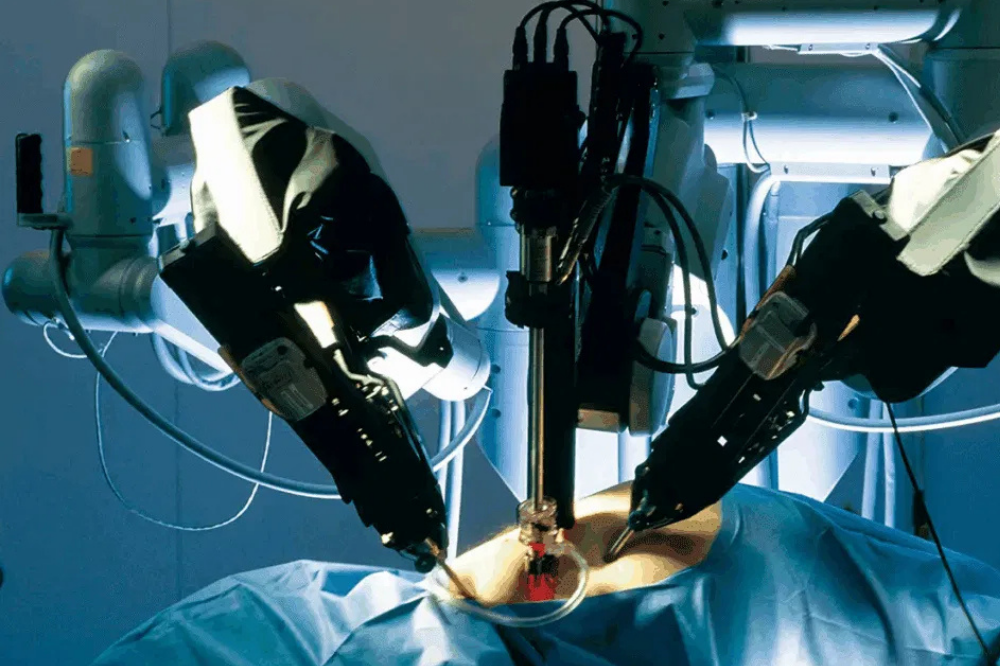
Robot-assisted radical prostatectomy is designed to remove the prostate while minimizing unnecessary trauma to surrounding structures. Compared with open surgery, the minimally invasive approach uses smaller incisions and generally enables earlier mobilization.
Patients are encouraged to begin moving as soon as their surgical and anesthesia teams consider it safe. Early walking is important because it supports circulation, bowel recovery and respiratory function while helping reduce some of the risks associated with remaining in bed for prolonged periods.
Patients should nevertheless expect some temporary postoperative symptoms. These can include:
- Incisional discomfort
- Abdominal or pelvic soreness
- Fatigue
- Temporary bloating
- Catheter-related discomfort
- Changes in bowel activity
How Long Do You Stay in the Hospital After Robotic Prostatectomy?
Hospital stay following robotic radical prostatectomy is generally shorter than after traditional open surgery. Depending on the patient, procedure and recovery protocol, discharge may be possible relatively early when the surgical team confirms that recovery is progressing appropriately.
Discharge does not mean that healing is complete. It simply means the patient is sufficiently stable to continue recovery outside the hospital.
Modern perioperative programs increasingly emphasize early mobility, appropriate nutrition, multimodal pain management and avoidance of unnecessary tubes and drains. These principles are discussed in greater detail in our guide to Enhanced Recovery After Surgery (ERAS) in urologic oncology.
What Is the Typical Robotic Prostatectomy Recovery Timeline?
There is no universal recovery calendar, but dividing recovery into phases can help patients understand what commonly happens after surgery.
The First 24–48 Hours
During the earliest postoperative period, the priorities are pain control, safe mobilization, hydration and monitoring for complications.
Patients may begin walking with assistance and gradually resume oral intake according to their clinical condition.
A urinary catheter remains necessary because the connection between the bladder and urethra needs time to heal after removal of the prostate.
The First Week
Once home, walking should generally remain part of daily recovery, but strenuous physical activity must be avoided.
Fatigue is common. A patient may feel relatively well during part of the day and then suddenly need rest. This does not necessarily indicate a problem; major surgery places substantial physiological demands on the body even when performed through small incisions.
Patients should follow their surgeon’s instructions regarding:
- Catheter care
- Showering and wound care
- Medication
- Diet and hydration
- Walking
- Prevention of constipation
- Warning signs requiring medical attention
Weeks 2–4
Many patients notice substantial improvement during this period. Walking becomes easier, discomfort usually decreases, and everyday activities gradually become more manageable.
The timing of returning to desk-based work varies. Some patients may feel ready relatively early, whereas others need additional recovery time.
Heavy lifting and strenuous exercise generally remain restricted until the surgeon confirms that healing is sufficient.
Weeks 4–6 and Beyond
By this stage, many patients are moving closer to their normal routine. Exercise and more demanding physical activities can gradually be reintroduced when medically appropriate.
However, internal healing continues even when the incisions look completely healed from the outside.
This distinction is important: feeling better is not the same as being fully healed.
When Is the Urinary Catheter Removed After Prostate Surgery?
The urinary catheter is one of the issues patients ask about most frequently.
During radical prostatectomy, the prostate is removed and the bladder is surgically reconnected to the urethra. A catheter temporarily allows urine to drain while this new connection heals.
Catheter removal timing varies according to surgical technique, healing and the surgeon’s protocol. It commonly remains in place for approximately a week, although individual circumstances may require a shorter or longer period.
Patients should never attempt to remove or manipulate the catheter themselves unless specifically instructed by their medical team.
When Can You Walk After Robotic Prostate Surgery?
Walking usually begins very early after robotic prostatectomy.
This does not mean vigorous exercise. Initially, walking may consist of short, frequent periods around the hospital room or corridor. Once home, the distance can gradually increase according to comfort and medical advice.
Early mobilization is an important component of modern surgical recovery because prolonged inactivity can contribute to muscle loss, constipation and thromboembolic complications.
When Can You Return to Work After Robotic Prostatectomy?
Return to work depends heavily on the type of job.
Someone working remotely at a computer has very different physical requirements from someone whose occupation involves lifting, construction, prolonged driving or demanding manual labor.
Patients with sedentary occupations may sometimes return sooner, while physically demanding jobs generally require a longer recovery period.
Rather than focusing on a fixed number of days, the safer question is:
Has the body recovered sufficiently for the physical requirements of my job?
That decision should be individualized with the surgical team.
How Painful Is Recovery After Robotic Prostatectomy?
Pain is expected after any operation, but robotic surgery is intended to reduce the tissue disruption associated with large open incisions.
Many patients describe postoperative discomfort rather than severe persistent pain. Incisional soreness, abdominal tightness and catheter discomfort can occur, particularly during the early days.
Pain management has also evolved beyond relying exclusively on opioids. Multimodal analgesia can combine different medications and recovery strategies to control discomfort while reducing opioid-related adverse effects.
Does Single Port Robotic Prostatectomy Offer a Faster Recovery?
Single port robotic prostatectomy represents a further development of minimally invasive prostate surgery.
Instead of introducing robotic instruments through several abdominal ports, a single port robotic platform allows multiple articulated instruments and a camera to enter through one access site.
Reducing the number of incisions may decrease the external surgical footprint and postoperative wound burden. However, it should not be assumed that every patient will automatically recover faster simply because a single port is used.
Recovery is influenced by many variables, including:
- Patient age
- General health
- Cancer characteristics
- Surgical complexity
- Previous abdominal or pelvic operations
- Surgeon experience
- Perioperative recovery protocols
Patients interested in the differences between the two robotic approaches can explore our detailed comparison of single port vs multi-port robotic prostatectomy.
Why Is Single Port Prostatectomy Technically Challenging?
The prostate sits deep within the male pelvis. Nearby are structures involved in urinary control and sexual function, including the urinary sphincter and neurovascular bundles.
Radical prostatectomy therefore requires considerably more than simply removing an organ.
The surgeon must simultaneously consider cancer control, bleeding, bladder-neck anatomy, urethral reconstruction, continence mechanisms and, where oncologically appropriate, preservation of nerves involved in erectile function.
Single port surgery adds another technical dimension because the procedure is performed through a highly concentrated access point.
The robotic platform provides articulated instruments and magnified visualization, but technology does not eliminate the importance of surgical expertise.
When Does Urinary Control Return After Robotic Prostatectomy?
Temporary urinary leakage is common after catheter removal.
The prostate and its surrounding structures contribute to the urinary continence mechanism. After prostate removal, the urinary sphincter and pelvic floor must adapt to the new anatomy.
Some men regain control relatively quickly, while others experience gradual improvement over several months.
Pelvic floor muscle exercises may be recommended to support continence recovery. Correct technique is important because simply performing large numbers of contractions does not necessarily produce better results.
Persistent or severe urinary incontinence should be evaluated rather than accepted as an unavoidable consequence of prostate cancer treatment.
When Does Sexual Function Return After Robotic Prostate Surgery?
Sexual recovery follows a different timeline from wound healing.
Even when nerve-sparing radical prostatectomy is possible, the nerves involved in erections may temporarily lose function after surgery. Recovery can therefore take considerably longer than the patient’s general physical recovery.
Factors affecting erectile function after prostatectomy include:
- Erectile function before surgery
- Age
- Cardiovascular health
- Diabetes and smoking history
- Whether unilateral or bilateral nerve preservation is possible
- Tumor location
- Surgical technique
- Postoperative erectile rehabilitation
Some men regain spontaneous erections, while others require oral medication, vacuum devices, injection therapy or other erectile dysfunction treatments.
Patients should therefore avoid judging the final sexual outcome during the first few weeks after surgery.
Is Faster Recovery Always Better?
Not necessarily.
Modern robotic surgery aims to make recovery more efficient, but the goal should never be to discharge or mobilize a patient simply to achieve impressive recovery statistics.
A better definition of successful recovery is safe progression without unnecessary delays.
This is precisely why ERAS pathways use coordinated milestones rather than focusing on speed alone. Nutrition, pain management, mobility, catheter management and discharge planning are considered together.
What Can Patients Do to Support Recovery?
Patients are active participants in their recovery.
Simple behaviors can have a meaningful effect on how comfortably the postoperative period progresses:
- Walk regularly according to medical advice.
- Stay adequately hydrated.
- Follow catheter instructions carefully.
- Avoid heavy lifting until cleared by the surgeon.
- Prevent constipation.
- Take prescribed medications correctly.
- Follow pelvic floor rehabilitation recommendations.
- Avoid smoking.
- Attend postoperative appointments.
- Report unusual symptoms promptly.
Recovery instructions should always be individualized because prostate cancer patients do not all undergo exactly the same operation or have the same medical background.
What Warning Signs Should Be Reported After Robotic Prostate Surgery?
Most patients recover without major complications, but knowing when to seek medical assistance is essential.
Patients should contact their surgical team promptly for symptoms such as:
- High or persistent fever
- Increasing rather than improving pain
- Significant wound redness, swelling or discharge
- Persistent vomiting
- Severe abdominal swelling
- Difficulty breathing or chest pain
- New significant leg swelling or pain
- Catheter blockage or failure to drain
- Heavy or persistent bleeding
Emergency symptoms should receive immediate medical attention.
Frequently Asked Questions About Robotic Prostatectomy Recovery
How long does it take to recover from robotic prostate surgery?
Initial physical recovery generally occurs over several weeks, but complete recovery is individualized. Urinary continence and erectile function may continue improving for months after the operation.
Can I walk immediately after robotic prostatectomy?
Patients are generally encouraged to begin gentle walking early when clinically safe. Early mobilization is an important part of modern postoperative recovery.
How long will I have a catheter?
A urinary catheter commonly remains temporarily after radical prostatectomy while the bladder-to-urethra connection heals. The exact removal date is determined by the surgeon.
When can I drive after robotic prostate surgery?
Driving should resume only when the patient is no longer impaired by pain or medication, can comfortably perform emergency movements, and has received appropriate medical clearance.
When can I exercise after prostate surgery?
Walking begins early, but strenuous exercise, abdominal training and heavy lifting generally require a longer healing period. Exercise should be increased progressively according to surgical advice.
Is single port prostatectomy recovery faster than multi-port surgery?
Single port surgery reduces the number of access sites and may provide recovery advantages for selected patients. However, current outcomes depend on patient characteristics, surgical approach and surgeon expertise, so it should not be described as universally faster for every patient.
When will urinary leakage stop?
Continence recovery varies considerably. Some patients regain control quickly, while others improve progressively over several months.
How long does erectile function take to return?
Erectile recovery can take months and sometimes considerably longer. Age, baseline erectile function, nerve preservation and rehabilitation all influence the outcome.
Understanding Recovery as Part of the Treatment
For a patient with prostate cancer, the operation itself is only one stage of treatment. The quality of recovery afterward affects independence, urinary function, sexual health and overall quality of life.
Modern robotic platforms have made it possible to perform increasingly complex urologic procedures through smaller surgical access points. The development of single port robotic surgery in urology extends this evolution toward highly focused minimal-access surgery for selected prostate, kidney, bladder and reconstructive procedures.
The most appropriate approach, however, should always be based on cancer characteristics and the individual patient rather than the number of incisions alone. A successful robotic prostatectomy combines oncologic safety, surgical expertise and a carefully managed recovery pathway.
References
- European Association of Urology (EAU). Guidelines on Prostate Cancer.
- American Urological Association (AUA) / ASTRO. Clinically Localized Prostate Cancer Guideline.
- Lowrance WT, et al. Updates to Advanced Prostate Cancer: AUA/SUO Guideline.
- Enhanced Recovery After Surgery (ERAS) Society recommendations for perioperative care in urologic surgery.
- Peer-reviewed literature on robot-assisted radical prostatectomy, continence recovery, erectile function and minimally invasive postoperative care.