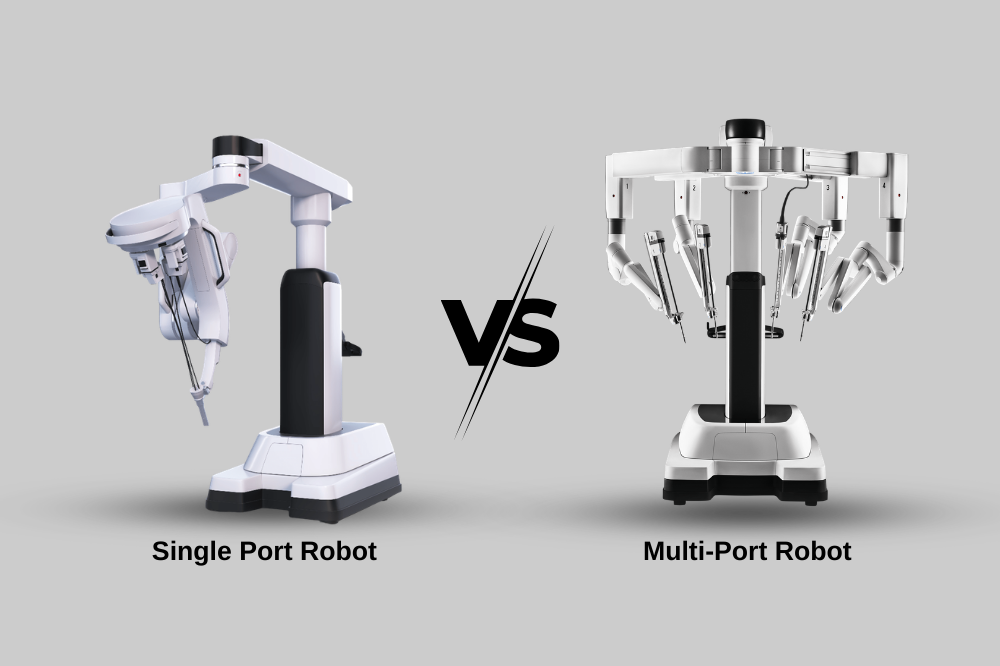
Single Port vs Multi-Port Robotic Prostatectomy
Robotic-assisted prostatectomy has become the gold standard for the surgical treatment of localized prostate cancer. Over the past decade, the evolution from multi-port robotic prostatectomy to single port robotic prostatectomy has introduced new possibilities in minimally invasive urologic surgery.
But for patients, the most important question remains: which approach offers better outcomes, faster recovery, and fewer complications?
In this article, we compare single port vs multi-port robotic prostatectomy from a patient-centered perspective, focusing on surgical technique, recovery, safety, and functional results.
What Is Robotic Prostatectomy?
Robotic prostatectomy is a minimally invasive procedure in which the prostate gland is removed using robotic-assisted technology. This approach allows surgeons to perform precise dissection in the confined pelvic space while preserving critical structures.
If you are new to this topic, you can read our detailed guide on What Is Single Port Robotic Surgery?
There are two main approaches:
- Multi-Port Robotic Prostatectomy (MP-RARP)
- Single Port Robotic Prostatectomy (SP-RARP)
Multi-Port Robotic Prostatectomy (MP-RARP)
Multi-port robotic surgery involves placing 4 to 6 small incisions across the abdomen. Each port allows entry for robotic instruments and a high-definition camera.
Key Features:
- Widely used and globally standardized
- Excellent oncologic outcomes
- Allows triangulation from multiple access points
- Suitable for a wide range of patients
Limitations:
- Multiple incisions
- Slightly higher postoperative discomfort
- Increased risk of port-related complications
Single Port Robotic Prostatectomy (SP-RARP)
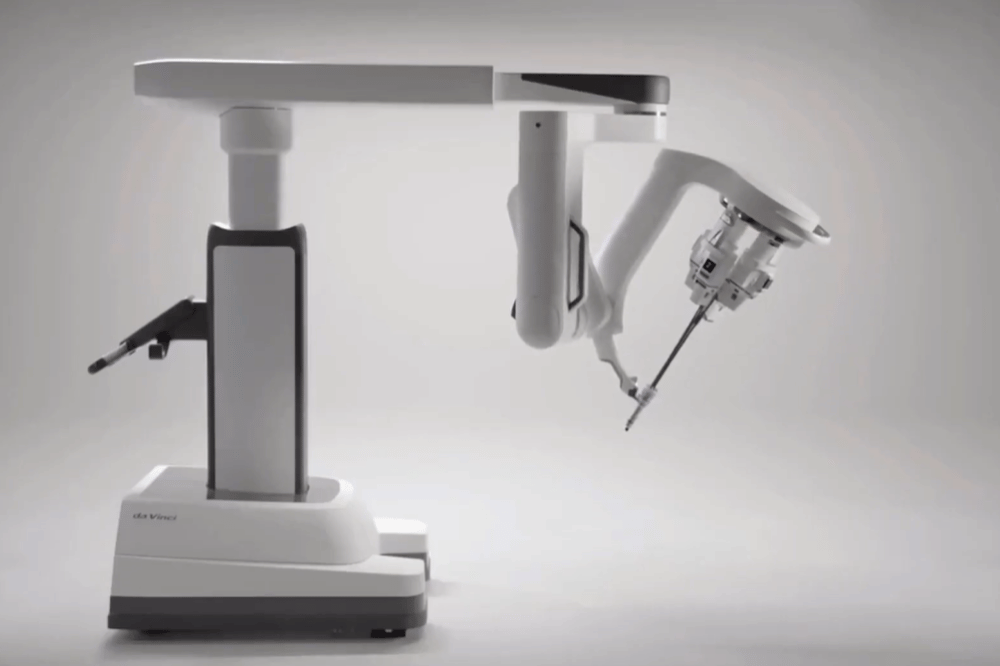
Single port robotic prostatectomy is an advanced technique performed through a single small incision, typically less than 3 cm. A specialized robotic system allows multiple instruments and a camera to operate through one entry point.
👉 Learn more about the technique here: Clinical Advantages of Single Port Robotic Surgery
Key Features:
- Single incision (better cosmetic outcomes)
- Reduced tissue trauma
- Less postoperative pain
- Faster recovery and mobilization
Technical Challenges:
- Limited working space
- Requires advanced surgical expertise
- Steeper learning curve
Single Port vs Multi-Port: Key Differences
| Feature | Single Port | Multi-Port |
|---|---|---|
| Number of incisions | 1 | 4–6 |
| Cosmetic outcome | Excellent | Good |
| Postoperative pain | Lower | Moderate |
| Recovery time | Faster | Standard |
| Surgical complexity | Higher | Moderate |
| Surgeon experience needed | Very high | High |
Which Is Better for Patients?
The answer depends on patient selection, surgeon experience, and case complexity.
Advantages of Single Port for Patients
- Minimal scarring
- Less pain after surgery
- Faster return to daily life
- Reduced need for surgical drains
In experienced hands, single port surgery can achieve outcomes comparable to or even exceeding multi-port techniques.
You can also explore real clinical outcomes here: Enhanced Recovery After Robotic Surgery (ERAS)
Functional Outcomes: Continence and Sexual Function
One of the most important concerns for patients is urinary continence and erectile function after surgery.
Both approaches aim to preserve neurovascular structures, but:
- Single port allows closer anatomical access in certain cases
- Precision depends more on surgeon skill than technique alone
Is Single Port Surgery Safe?
Yes, when performed by an experienced robotic surgeon.
Clinical experience shows that:
- Complication rates are low
- Blood loss is minimal
- Hospital stay is shorter
In selected cases, advanced centers have reported:
- No need for drains
- No ICU admission
- Rapid postoperative recovery
These outcomes highlight the importance of center experience and surgical volume.
Patient Selection: Who Is Suitable?
Not every patient is an ideal candidate for single port robotic prostatectomy.
Ideal Candidates:
- Localized prostate cancer
- No prior major abdominal surgery
- Favorable anatomy
Cases Where Multi-Port May Be Preferred:
- Complex or advanced tumors
- Previous pelvic surgeries
- Obesity or anatomical limitations
Surgeon Experience Matters More Than Technique
While technology plays a critical role, the surgeon’s expertise is the most important factor influencing outcomes.
Single port robotic surgery requires:
- Advanced 3D spatial awareness
- Experience in confined anatomical spaces
- Mastery of robotic suturing and dissection
In this field, experienced urology and robotic surgery specialists such as Prof. Dr. Murat Binbay contribute to advancing single port techniques with consistent and safe outcomes.
A Personalized Decision
There is no one-size-fits-all answer to the question of single port vs multi-port robotic prostatectomy.
- Multi-port surgery remains a reliable and widely practiced standard
- Single port surgery represents the next step in minimally invasive innovation
For patients, the best approach depends on:
- Individual anatomy
- Cancer characteristics
- Surgeon experience
- Hospital expertise
When performed in experienced hands, both techniques offer excellent cancer control and functional outcomes. However, single port robotic prostatectomy is increasingly becoming the preferred option for selected patients seeking faster recovery and minimal invasiveness.
References
- Autorino R, et al. Single-port robotic radical prostatectomy: Current status and future perspectives. European Urology.
- Kaouk JH, et al. Single-port robotic surgery in urology: Initial clinical experience. Journal of Urology.
- Menon M, et al. Robotic radical prostatectomy: Long-term outcomes.
- Patel VR, et al. Multi-port vs single-port robotic prostatectomy outcomes.
- European Association of Urology (EAU) Guidelines on Prostate Cancer.